August 31, 2026
Fresh food can make a noticeable difference in the flavor, texture, and overall experience of a meal. This is especially true when it comes to seafood, where freshness can affect everything from taste to appearance. According to OpenTable, 58% of Americans reported that dining out served as their social plans in January 2026. This article explains why freshness matters, how it affects the dining experience, and what diners can consider when choosing a meal.
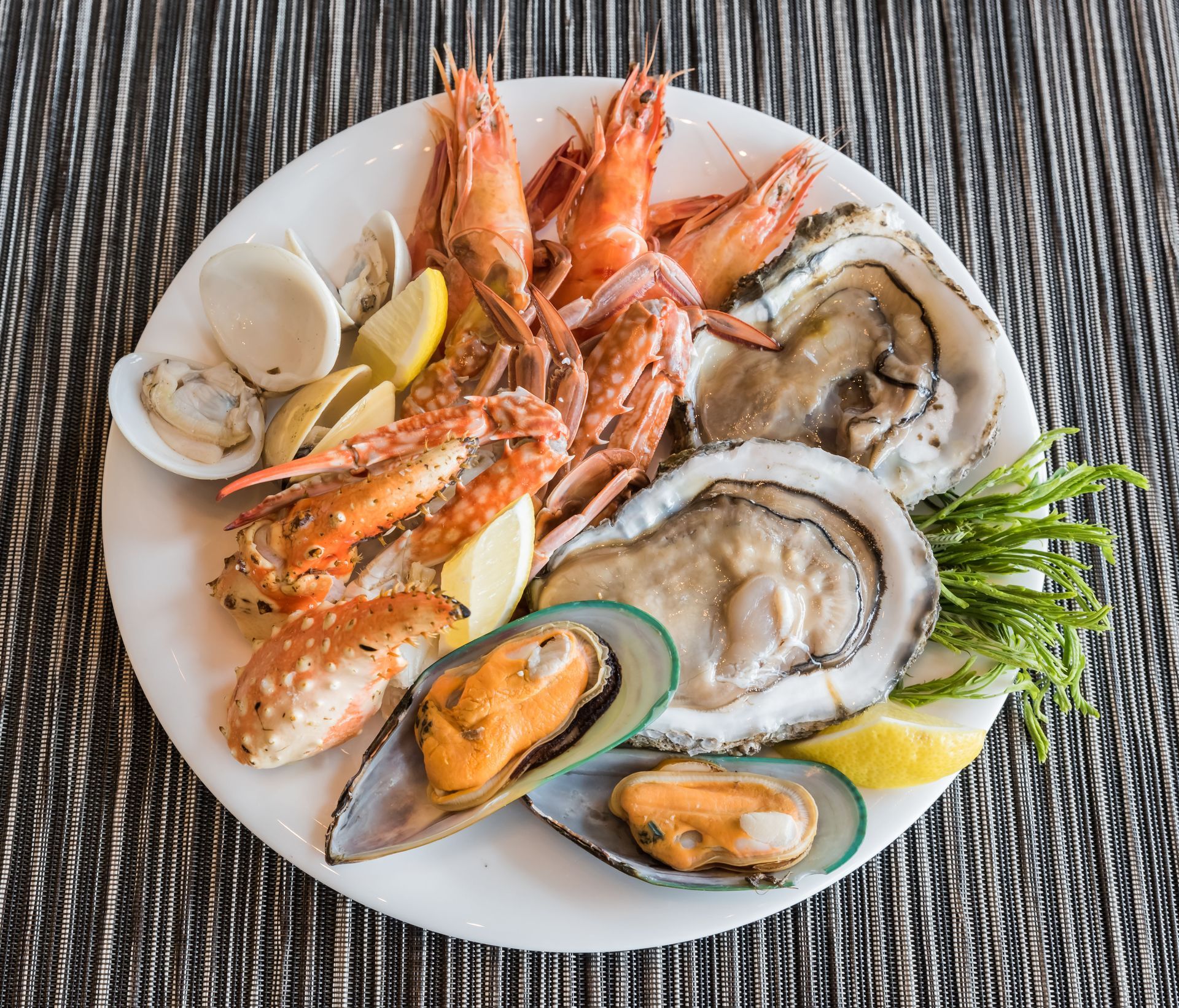
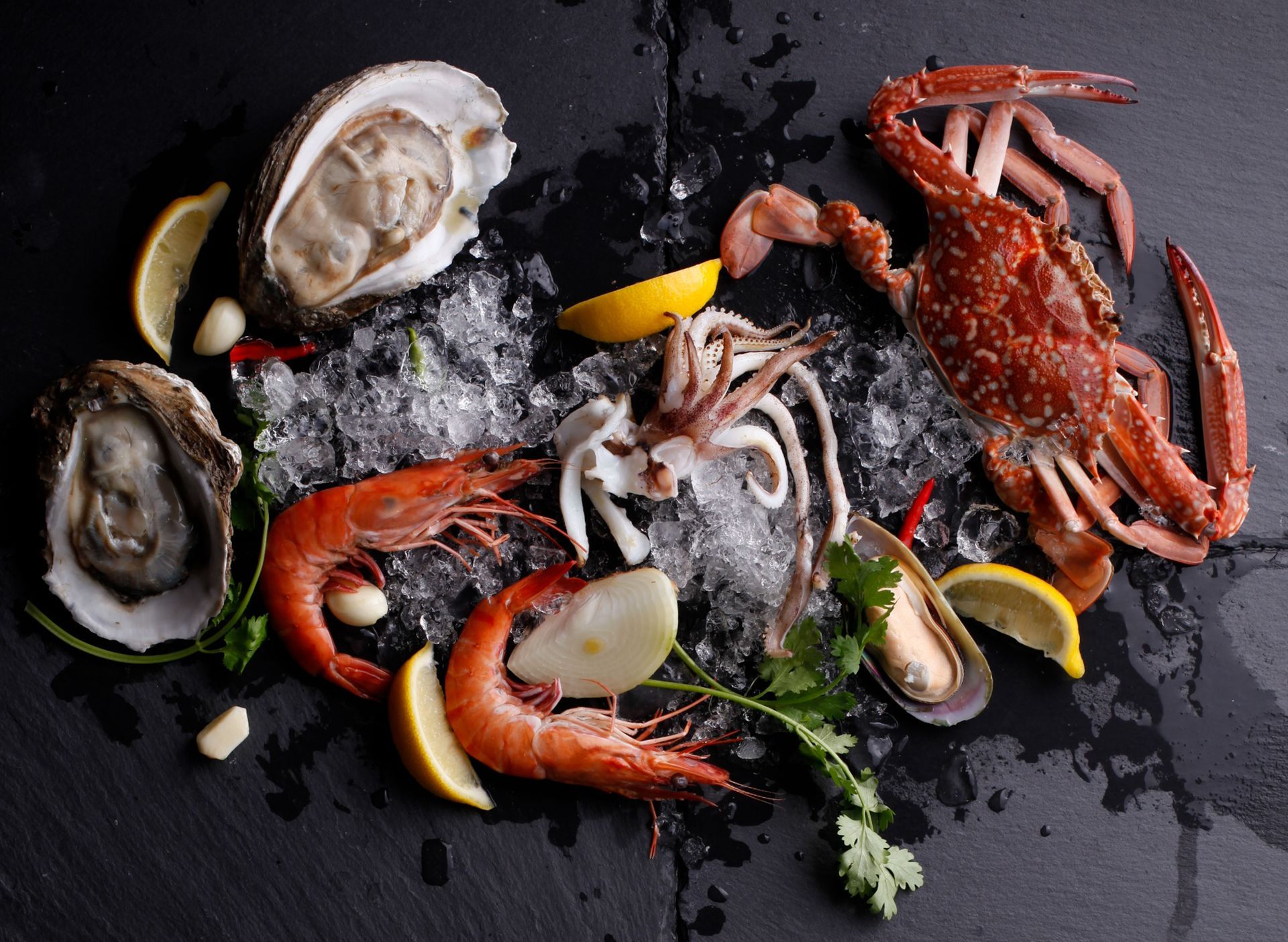
Freshness is an important part of food quality, particularly with seafood. Fish and other seafood can change in flavor, texture, and appearance over time. Proper handling helps preserve natural qualities and allows diners to enjoy a clean flavor and appealing texture. Freshness also depends on proper storage and temperature control before food reaches the plate. Since diners may not be able to judge freshness beforehand, choosing a restaurant that focuses on food quality can help provide a more enjoyable dining experience.
Appreciating Natural Flavor
One of the main benefits of fresh seafood is its natural flavor. Fish and shellfish can have different flavor profiles depending on the type, but fresh ingredients generally have a clean taste that does not need to be covered up. When ingredients are fresh, simple preparation can be enough to create a satisfying meal. Seasonings can complement the natural flavor instead of overpowering it. This gives diners an opportunity to notice differences in texture, richness, and taste.
Fresh ingredients can also create a more consistent experience from one meal to another. While every ingredient can have slight differences, proper handling helps maintain the qualities diners expect. A meal can feel more enjoyable when the main ingredient tastes fresh and complements the other parts of the dish. The difference may be especially noticeable to people who regularly eat seafood. Over time, diners may become more aware of the clean flavor and firm texture associated with well-handled ingredients. This can shape their expectations when choosing where to dine.
Improving Texture
Texture is another reason freshness matters. Different types of fish and shellfish have their own natural textures, but freshness can help those qualities remain noticeable. Properly handled ingredients are more likely to maintain a firm, appealing texture when prepared. Texture plays a major role in how people experience food. A meal can have excellent seasoning, but an undesirable texture may affect the entire experience. Fresh ingredients provide a better starting point for preparation and can help the finished dish have a more satisfying consistency.
Cooking methods also affect texture. Heat, timing, and preparation can change how food feels when eaten. This is why careful preparation is important when working with ingredients that have delicate textures. When diners order seafood at a restaurant, the final texture reflects several steps that happened before the meal reached the table. Fresh ingredients, proper storage, and thoughtful preparation all have a role in the result.
Supporting Better Dining
Freshness can also contribute to a more enjoyable dining experience as a whole. Food is often one of the central parts of a restaurant visit, but the experience includes much more than what is on the plate. Dining out has become an important way for people to spend time together. According to OpenTable, 58% of Americans reported that dining out served as their social plans in January 2026. Sharing a meal can provide an opportunity to catch up with friends, celebrate an occasion, enjoy time with family, or simply take a break from a busy routine.
A well-prepared meal can add to those moments. Fresh ingredients can provide flavors and textures that make the meal more enjoyable, while a comfortable setting and good company can make the occasion memorable. This is one reason food quality matters beyond individual ingredients. When diners choose a restaurant, they are often looking for an experience that combines good food with an opportunity to connect. Fresh ingredients can play an important role in creating that experience.
Exploring Seasonal Differences
Food quality can also be influenced by season and availability. Ingredients may have different characteristics depending on when and where they are sourced. Seasonal changes can affect flavor, texture, and the types of ingredients available. Exploring different types of seafood can help diners discover new flavors. Rather than choosing the same meal every time, trying different options can provide a better understanding of the variety available.
Different fish and shellfish can have distinct characteristics. Some have a mild flavor, while others can be richer or more pronounced. Textures can range from delicate to firm, creating different dining experiences. Seasonal changes may also influence what restaurants feature at different times of the year. Asking about available choices can help diners find something that fits their preferences while giving them an opportunity to try something new.
Considering Proper Handling
Freshness depends on more than how quickly food reaches a restaurant. Proper handling is important at every stage. Ingredients need appropriate storage conditions and careful preparation to maintain their quality. Temperature control is especially important for perishable foods. Maintaining suitable temperatures helps protect food quality and supports safe handling practices. Restaurant staff also need to follow appropriate procedures when storing, preparing, and serving ingredients.
Clean preparation areas and proper food handling practices are also important. These steps help protect the quality of ingredients while supporting a safe dining environment. For diners, the best way to understand these practices is often to choose established restaurants that take food preparation seriously. If there are questions about ingredients, preparation, or food safety, speaking with restaurant staff can provide useful information. Seeking professional guidance from restaurant staff is a practical way to address specific concerns.
Choosing Quality Meals
Choosing a quality meal involves more than looking at a menu. Diners can consider the overall restaurant experience, including food quality, preparation, atmosphere, and the care given to ingredients. Menus can provide helpful information about the types of food available and how dishes are prepared. Diners may also ask questions about ingredients when they want to better understand their options.
Fresh seafood can be especially appealing because its natural flavor and texture can make a meal satisfying without requiring complicated preparation. Simple ingredients can still create a memorable dining experience when they are handled and prepared properly. Personal preferences also matter. Some diners prefer mild flavors and lighter textures, while others enjoy richer flavors and heartier dishes. Exploring different choices can help each person find meals that suit their tastes.
Maintaining Quality
Maintaining food quality requires attention throughout the entire process. Fresh ingredients need proper storage, careful handling, and appropriate preparation. Each step can affect the final meal. Restaurants play an important role in maintaining these standards. Staff members who work with perishable ingredients must follow established food-handling standards in order to keep them in good condition. Proper preparation also helps preserve flavor and texture.
Diners can support this process by communicating their preferences and asking questions when needed. If someone has dietary restrictions, allergies, or concerns about preparation, discussing those needs with restaurant staff can help them make an informed choice. Freshness ultimately works together with preparation, presentation, and service. No single factor creates a great meal on its own. When these elements come together, diners can have a more satisfying experience.
Fresh ingredients can affect how a meal tastes, feels, and is remembered. Seafood is especially influenced by freshness, as its natural flavor and texture are key parts of the dining experience. Proper storage, handling, and preparation help preserve these qualities. For diners, fresh food can make a meal more enjoyable, whether they are dining casually or celebrating a special occasion. When you are ready to enjoy fresh seafood, visit Margate Fish House for a quality dining experience.