September 30, 2026
A visit to a local seafood restaurant can be more than an opportunity to enjoy a satisfying meal. The quality, sourcing and preparation of seafood can all influence the dining experience, and understanding a few basics can help diners make more informed choices. From recognizing fresh ingredients to understanding seasonal menus and sustainable sourcing, there are several factors worth considering when ordering seafood. Whether you are trying a familiar favorite or exploring something new, knowing what to look for can help you get more from your meal.
How to Identify the Freshest Seafood on the Menu
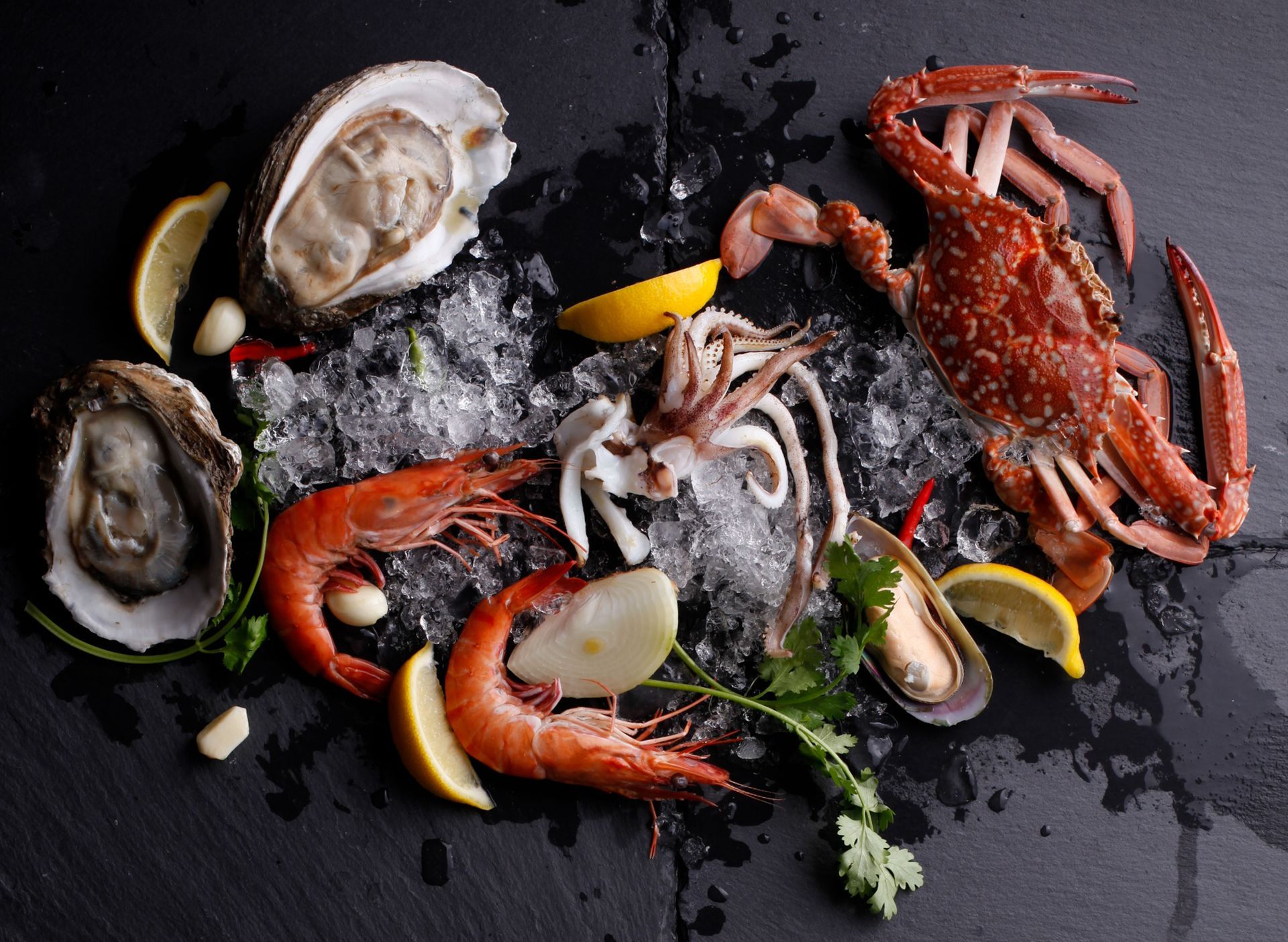
Freshness is one of the most important considerations when choosing seafood. At a local seafood restaurant, diners can often learn about freshness by paying attention to the appearance, aroma and texture of the seafood being served. Fish should generally have a clean, mild smell rather than a strong or unpleasant odor. Fresh fish also tends to have firm, moist flesh and a bright, natural appearance.
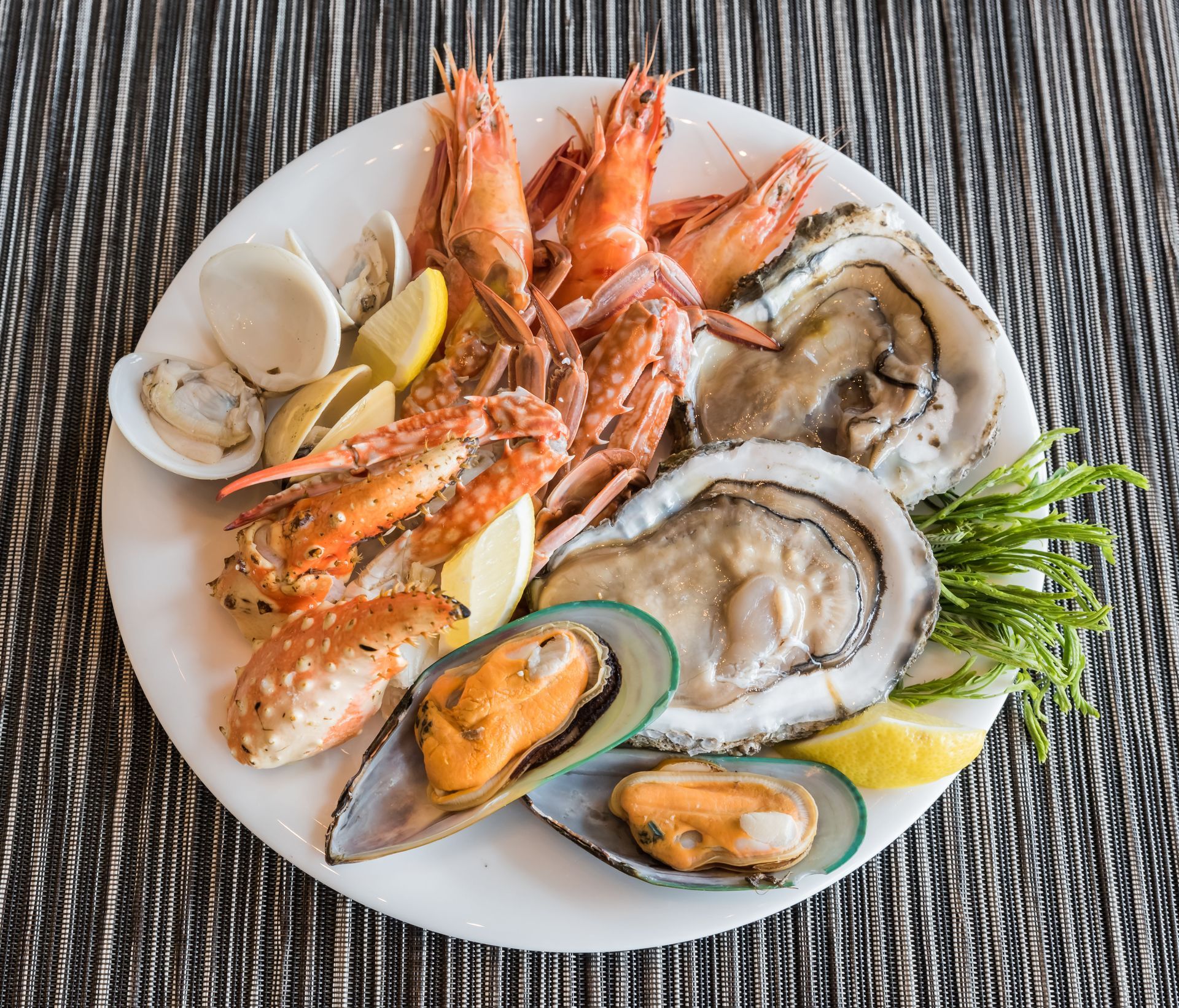
For shellfish, freshness can be evaluated somewhat differently. Live shellfish, such as clams and mussels, should generally have tightly closed shells or close when handled. If you have questions about a particular selection, do not hesitate to ask your server how recently it arrived or where it was sourced.
A reputable local seafood restaurant should be able to provide basic information about its seafood offerings. While freshness does not necessarily mean that seafood was caught that same day, proper storage and handling are essential for maintaining quality. Diners can also consider how the seafood is prepared. Simple preparations such as grilling, broiling or steaming can make it easier to appreciate the natural flavor and texture of high-quality ingredients.
Seafood can also be a nutritious addition to a balanced diet. According to SeaShare, eating approximately 8 ounces of seafood per week is associated with a 36% lower risk of dying from heart disease. This is one reason seafood can be a valuable part of regular meals when prepared as part of an overall balanced diet.
How to Understand Seafood Sustainability Practices
Sustainability is another factor diners may want to consider when choosing seafood. Different species can face different environmental pressures depending on fishing practices, habitat conditions and demand. A local seafood restaurant that pays attention to sourcing may work with fisheries, farms or suppliers that use practices intended to reduce environmental impacts.
Diners do not need to be experts in marine biology to ask useful questions. You can ask where a particular fish was caught, whether it was wild-caught or farmed, and whether the restaurant has information about its suppliers. These questions can give you a better understanding of what goes into the seafood on your plate.
Sustainable seafood can come from both wild fisheries and aquaculture operations. Responsible management practices can help maintain seafood populations and reduce unnecessary environmental damage. However, sustainability can vary substantially by species and location, so broad assumptions about all wild-caught or all farmed seafood may not tell the complete story.
A local seafood restaurant may also reflect sustainability through its menu choices. Restaurants can reduce waste by using different parts of an ingredient, offering responsibly sourced alternatives when certain species are unavailable, or adjusting their menus according to current supply. Asking about these practices can help diners understand how a restaurant approaches seafood sourcing.
How to Recognize Seasonal Seafood Offerings
Seasonality can have a significant effect on what appears on a seafood menu. Just as fruits and vegetables have growing seasons, seafood availability can vary according to migration patterns, fishing seasons, weather and regulations. A local seafood restaurant may therefore change its offerings throughout the year.
Seasonal seafood can provide an opportunity to try ingredients when they are naturally more available. When a particular species is plentiful, restaurants may be able to obtain it more readily and incorporate it into specials or featured dishes. Seasonal menus can also give chefs opportunities to experiment with different preparation methods and complementary ingredients.
Diners should not necessarily view a changing menu as a limitation. In many cases, flexibility allows a restaurant to showcase different seafood throughout the year. If you have a favorite dish that is not currently available, ask your server what is being featured instead. You may discover a preparation or species that you would not otherwise have considered.
At a local seafood restaurant, daily or seasonal specials can also be a useful way to learn what is currently available. The staff may be able to explain why a particular fish is being featured and how the chef recommends preparing it. That information can make ordering a more engaging part of the dining experience.
How to Pair Wine With Seafood Dishes
Wine can complement seafood in many different ways, but there is no single pairing rule that works for every dish. The preparation, sauce, seasoning and richness of the seafood can all influence which wine works well alongside it.
Light, delicate fish often pair nicely with crisp white wines that do not overwhelm the dish. Shellfish can also work well with bright, refreshing wines, particularly when the preparation includes citrus or herbs. Richer seafood dishes, such as salmon or seafood prepared with a creamy sauce, may benefit from a fuller-bodied white wine.
The sauce can sometimes matter more than the seafood itself. A mild white fish served with a rich cream sauce calls for a different pairing than the same fish prepared with lemon and fresh herbs. Similarly, grilled seafood with smoky or spicy flavors may pair well with a wine that has enough character to complement those flavors.
If you are uncertain, ask your server for a recommendation. Staff at a local seafood restaurant may have experience with the restaurant's specific menu and can suggest a wine based on both the seafood and its preparation. You can also explain the types of wine you normally enjoy rather than focusing exclusively on traditional pairing rules.
How to Choose Specialty Seafood Dishes
Every local seafood restaurant has the potential to offer dishes that reflect its particular style. Signature dishes may showcase a regional ingredient, a house-made sauce or a preparation technique that has become associated with the restaurant. These specialties can be a good starting point when you want to experience what makes a particular seafood spot distinctive.
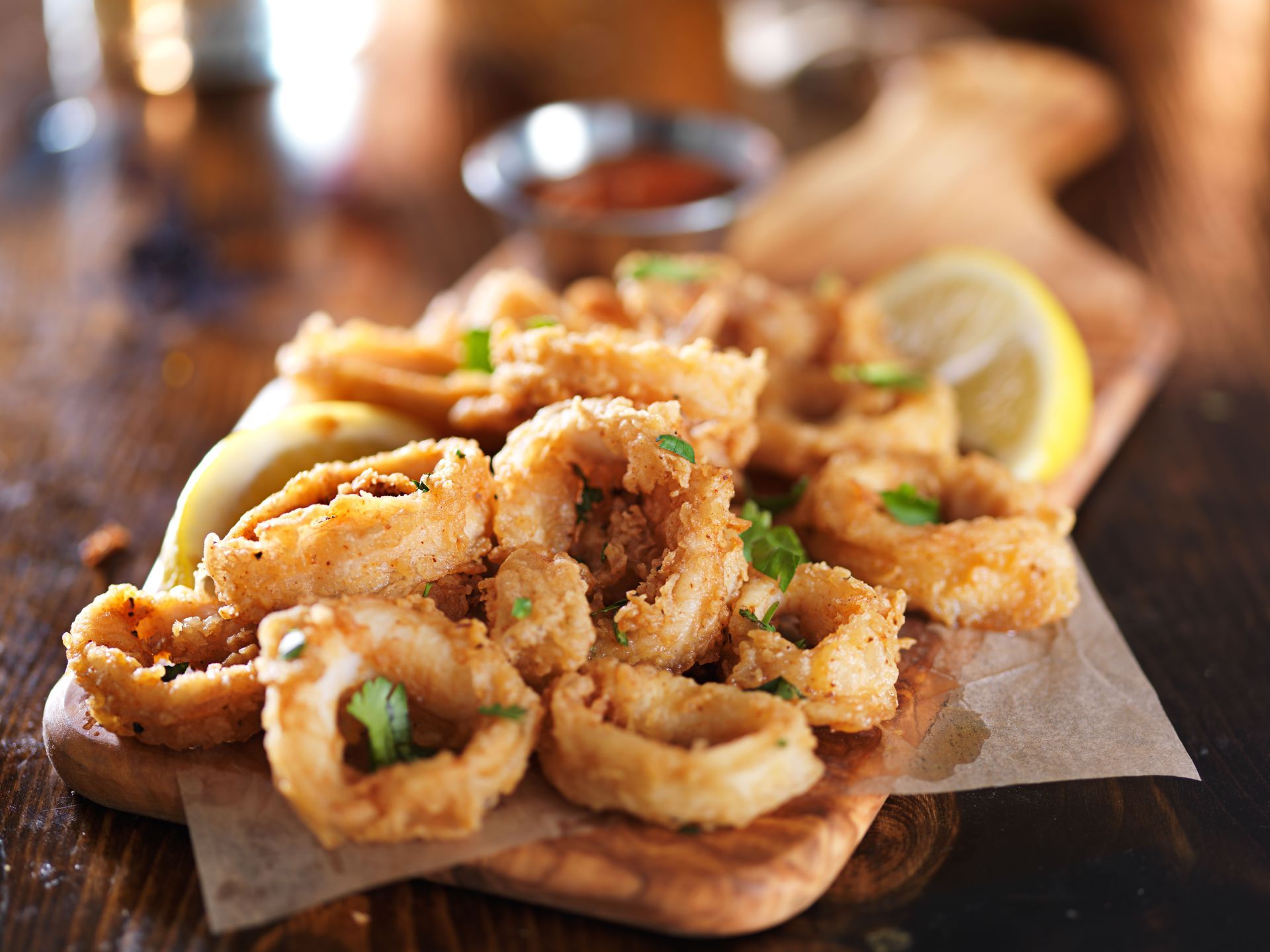
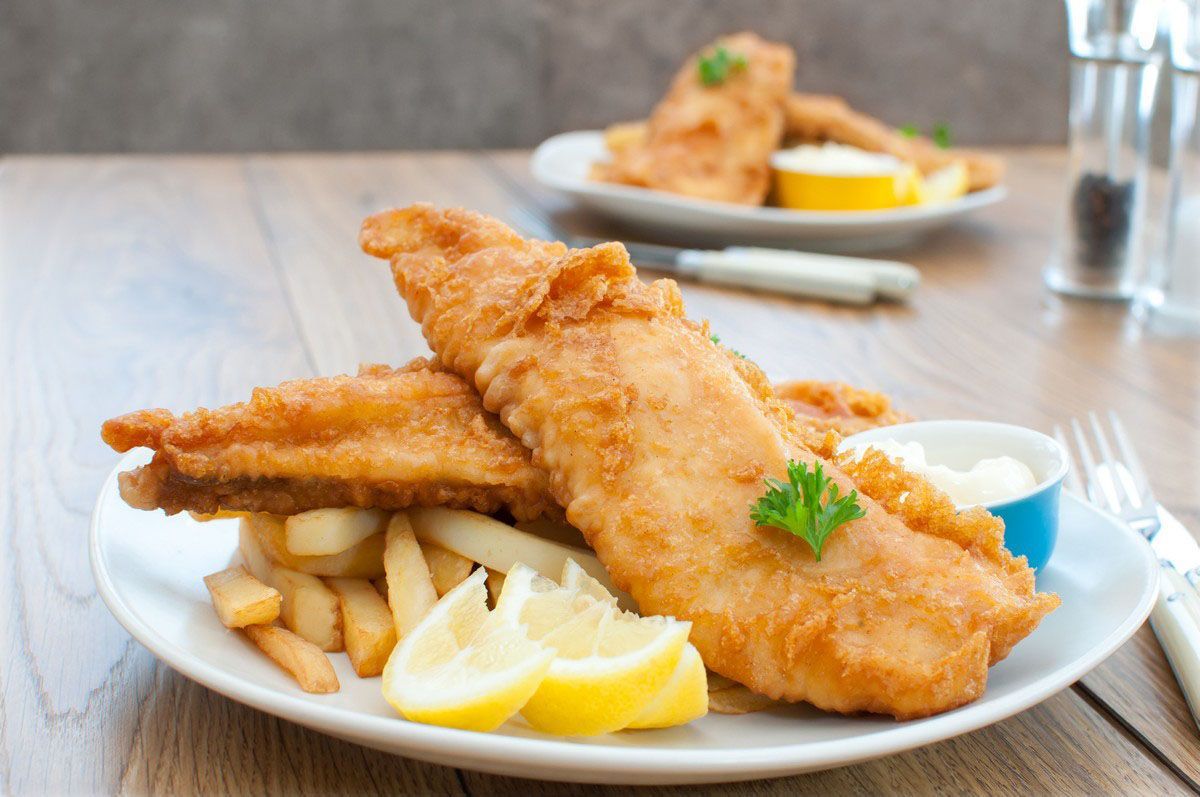
Ask about the restaurant's most popular dishes, but also consider asking what the kitchen is especially proud of. These are not necessarily the same thing. A popular fried seafood platter may be a longtime customer favorite, while a daily fish special might better demonstrate the chef's approach to fresh ingredients.
Regional specialties can also make a meal more memorable. Depending on where you dine, you may encounter preparations influenced by local fishing traditions, coastal cuisine or nearby agricultural products. Trying these dishes can provide a better sense of the area's culinary character.
At a local seafood restaurant, do not be afraid to move beyond familiar choices. If you typically order shrimp or fried fish, consider trying a less familiar species or preparation. Your server can often explain the flavor, texture and recommended cooking method before you order.
Make Informed Choices at Your Next Seafood Meal
Choosing seafood involves more than simply deciding what sounds good on the menu. Freshness, sourcing, seasonality, preparation and pairing can all contribute to the quality of the dining experience. Paying attention to these details can help diners understand what they are ordering while discovering new flavors along the way.
A
local seafood restaurant can also be a useful place to ask questions. Restaurant staff can often provide information about where seafood comes from, what is currently in season and which dishes best represent the kitchen. Whether you are interested in sustainability, nutrition or simply getting the most enjoyable meal possible, a little curiosity can go a long way. If you're looking for delicious seafood, visit Margate Fish House today!